Feed & Nutrition

Feed Mill Design & Engineering

Process, building and utility engineering for compound feed mills — poultry, livestock, aqua and pet food — with independent technology selection.

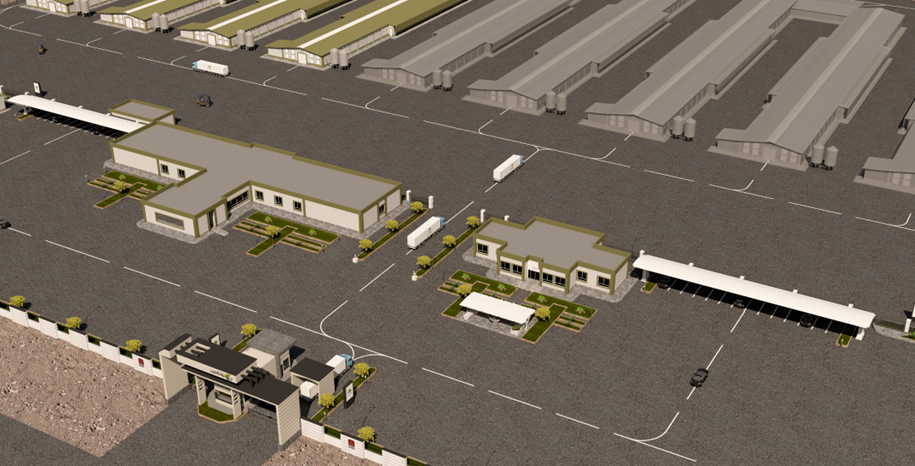
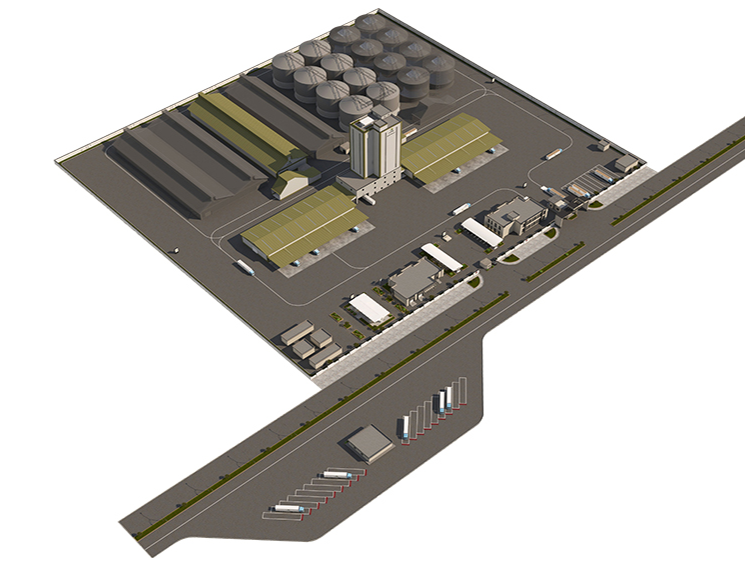
Feed is the largest cost in any poultry integration, and a feed mill that is poorly sized or badly laid out erodes margin for decades. HAMI engineers feed mills as part of the whole value chain: the mill's capacity, product range and location are derived from the farms it will supply and the logistics that connect them.

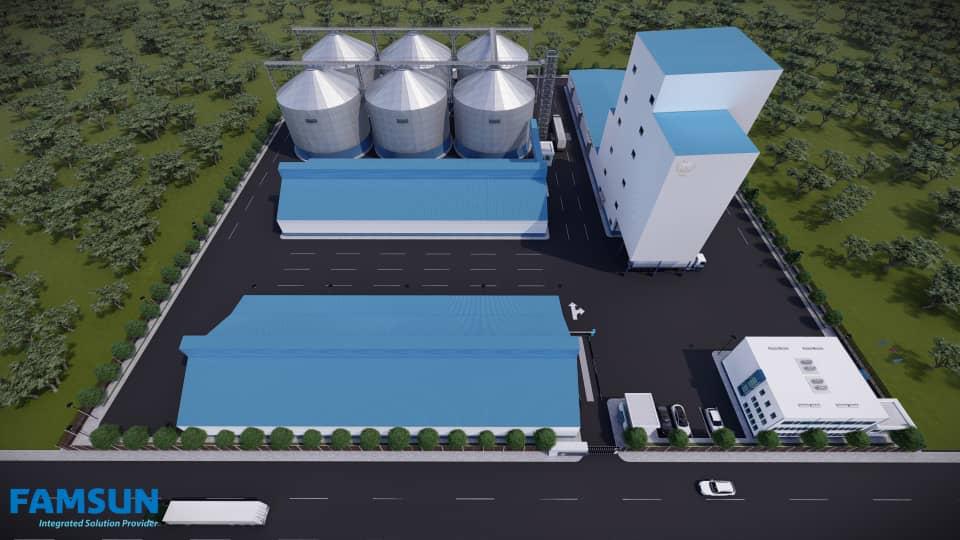
Our scope covers raw-material intake and storage, cleaning, grinding, dosing and mixing, liquid addition, conditioning and pelleting, cooling and crumbling, finished-product bins, bulk and bagged outloading, plus the steam, compressed air, dust-control, electrical and automation systems that keep the line running. The building, silo foundations and structural steel are designed around that process, not the other way round.

Reference projects include two 50 TPH feed mills in Iraq for integrated broiler operations, each delivered with process, architecture, structural and MEP engineering and procurement consultancy.

Key facts

At a glance

  • Feed mill capacity is expressed in tonnes per hour (TPH); HAMI reference mills are 50 TPH, sized for integrated broiler operations.
  • A 50 TPH pelleted-feed line supplies on the order of a million broilers in production at any time — which is why mill and farm capacity are planned together.
  • Intake capacity and raw-material storage, not the pellet mill, are the most common hidden bottlenecks in feed-mill concepts.
  • Dust explosion safety, aspiration and hygiene (salmonella control) are designed in at the process stage.
  • HAMI delivers feed-mill projects with process, architecture, structural and MEP engineering plus procurement consultancy.
Scope

What HAMI delivers

Owner-side engineering, coordinated across disciplines and independent of equipment suppliers.

Process design & mass balance

Tonnes per hour per product group, formulation ranges, batch cycle time and the equipment list that follows from them.

Intake, storage & silos

Truck and rail intake capacity, raw-material silo volumes, flat storage and the conveying network between them.

Grinding, mixing & pelleting

Hammer-mill and mixer selection, pellet-mill sizing, conditioning and cooling, crumbling and screening — with independent evaluation of supplier offers.

Utilities & automation

Steam boiler, compressed air, dust aspiration and explosion-safety concept, power distribution, MCC and batching automation.

Buildings & structures

Mill tower, silo foundations, intake pits, warehouses and outloading — structural steel and concrete coordinated in BIM.

Procurement advisory

Technical specification, RFQ, bid comparison and contract support for the complete feed-mill package.

Selected References

Related projects

A small selection from 40+ development and engineering assignments across 11 markets. The complete reference list is presented in introduction meetings.
FAQ

Frequently asked questions

Our references are 50 TPH mills for integrated broiler production. The same approach scales down to 10–20 TPH regional mills and up to multi-line industrial plants.

Yes. Our expertise covers poultry, livestock, fish (aqua) feed and pet food — each with its own grinding fineness, pelleting or extrusion and hygiene requirements.

No. HAMI prepares the specification and RFQ and compares offers from the leading feed-technology manufacturers independently, so the owner selects on performance and total cost.

We start from the farm capacity (birds placed per week, feed conversion, cycle length) and derive the mill's tonnage, product range and storage from that, together with the logistics between mill and farms.
Let's Talk About Solutions

Planning a poultry or food investment?

Send us the outline of your project — capacity, location, stage — and our engineering team prepares initial technical feedback before a call.